
Subscribe and receive email notifications of new blog posts.
 RSS Feed
16
How to Create a Pollinator Garden at Your Oregon Home
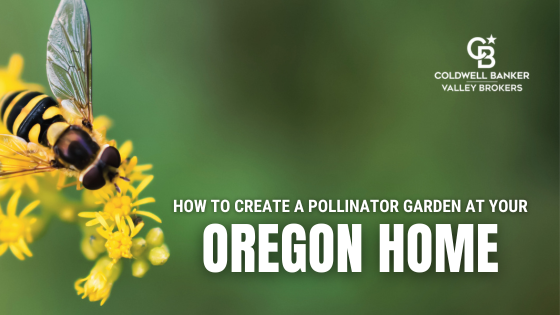
Interested in getting into gardening this summer at your Albany or Corvallis home? Building a pollinator garden is a fun, creative summer project and offers a variety of benefits in addition to beautiful, blooming plants. This type of garden attracts a wide range of pollinators, including hummingbirds, butterflies, bees, and more. Ready to exercise that green thumb?
-
The Basics of Pollinator Gardens
A pollinator garden helps attract and support the pollinators in the local area. There are a few key things to keep in mind with pollinator gardens, which don't necessarily apply to every type of garden. The goal is to create a garden that you love to look at, but also one that provides an inviting environment for the types of pollinators you aim to attract. This will include the plants that you choose, and it impacts many other aspects of how you design your garden. -
Native Plants Are Key
One thing to keep in mind with pollinator gardens is that native plants tend to do a better job of attracting pollinators than plants that aren't native to the area. OSU offers an outstanding native plant guide that will provide information about the plants that grow best in this corner of Oregon. In addition to attracting pollinators, native plants are naturally adapted to the local climate, making it easier to create a garden that thrives all year long with less required maintenance.
The plants that you choose for your garden will also depend on the types of pollinators you aim to attract. For many people who create a pollinator garden, however, the goal is to bring in a variety of pollinators throughout the year. In that case, you'll want to pick pollinator-friendly plants and flowers that bloom at different times of year. Picking a variety of plants that bloom in the spring, summer, and fall will help you cover all of the different types of pollinators that visit Oregon.
For specific pollinators, it helps to read up on their preferences. Hummingbirds like plants with a tubular shape and a red or orange color. Butterflies, on the other hand, have specific "host" plants where they lay their eggs, including native milkweed for the monarch butterfly. So if you have a specific pollinator in mind, make sure to choose the types of plants they like most. -
Other Features to Include
With a pollinator garden, it's not just about the plants. Leaving a little natural debris like leaves and plant stems, for example, especially during the fall, provides places for pollinators to lay eggs or safely spend the winter. It's also good to have some areas of open sand or dirt for similar reasons. And don't forget to have fresh water nearby! Fresh water is essential for a pollinator garden, and should be swapped out regularly. Butterflies prefer a damp, sandy area to drink from, while many other pollinators will be happy with a bird bath or small dish. Also, keep in mind that many pesticides are harmful to pollinators, so it's best to minimize the use of pesticides as much as possible when tending to your garden.
Searching for an Oregon home where you can create the garden of your dreams and enjoy it year after year? Our local team is here to help you achieve your real estate goals. Contact us to buy and sell homes throughout the Albany and Corvallis, OR area.